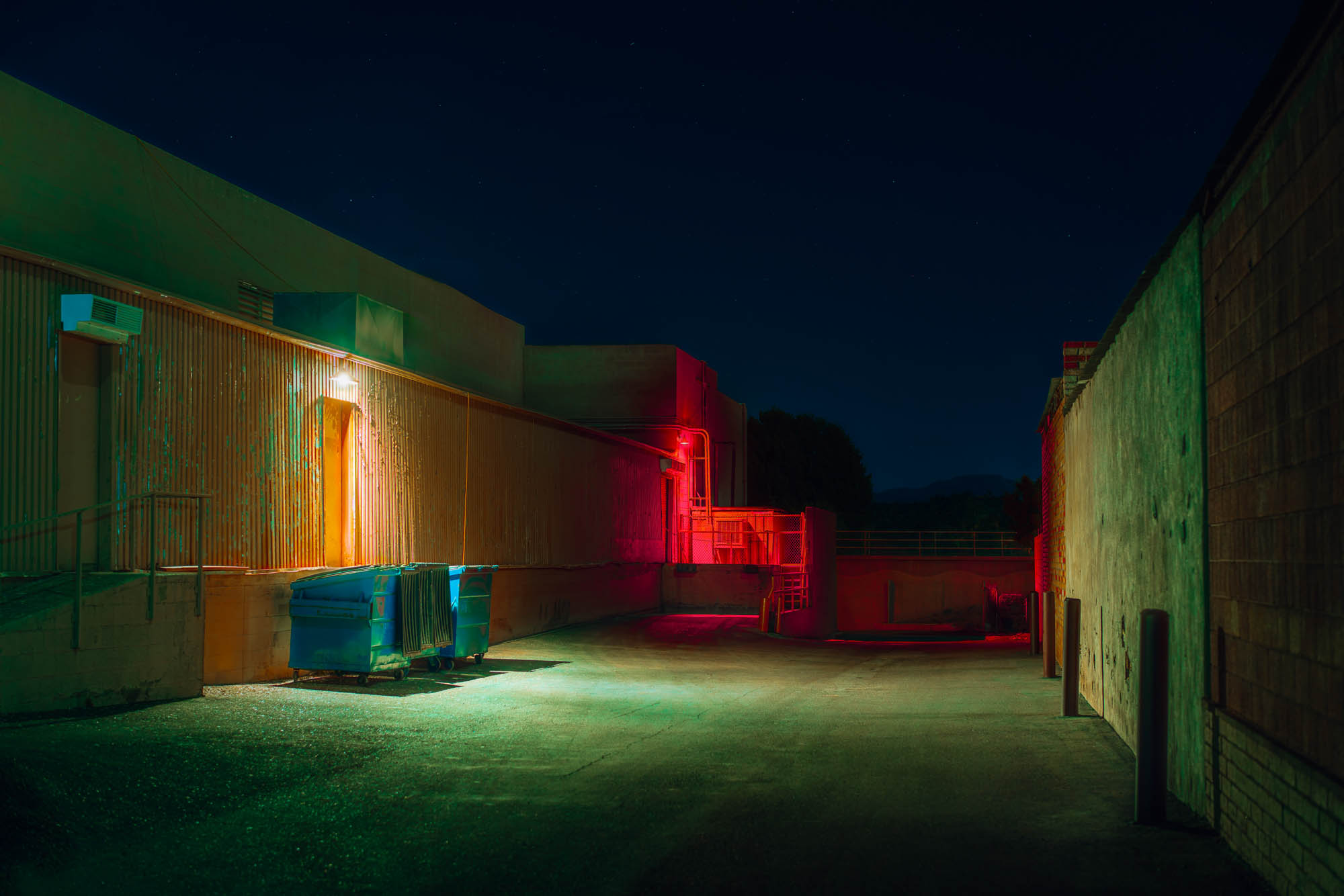
An immersive workshop led by Etienne PERRONE: afternoon classroom sessions, night shooting, coloured flash work, post-production, and final image selection, across three Japanese cities experienced as three distinct worlds.
This workshop is for photographers who want to improve their night photography while experiencing the city after dark in a different way.
It is not a photo tour built around ticking off famous spots. It is a structured, demanding but open framework in which you learn to make choices, read the city at night, work with flash, colour and post-production, while moving through Tokyo, Osaka and Kyoto with a slower, more attentive, more sensitive way of seeing.
You will learn how to work with night photography in concrete terms — exposure, flash, colour, post-production, editing — within a context that matters just as much: walking slowly, leaving the obvious routes, moving through districts as they change character, and recognising the moments when an image can begin.
The aim is not only to improve technically. It is also to learn how to see differently.
The workshop is built on a simple idea: some things are learned better in a particular state of attention. Not only in a classroom, not only through technique, but by moving through a city at the right speed, at the right hour, in the right silence — with enough time for the eye to shift.
The training and the experience move together. You learn very practical tools, but in a situation that helps you understand why you are using them, what they change, and what they allow you to produce. You leave with a coherent selection, and with a way of looking that stays with you.
Tripod or handheld. Flash on a stand or flash held in the hand. Long exposure or short exposure. Each setting closes one possibility and opens another. The workshop establishes a framework for these trade-offs — not so that you always make the same choice, but so that you understand what each choice gives up.
Spot metering on highlights, not on average values. Reading the RAW histogram rather than the JPEG preview. Usable ISO ranges on current sensors and what they really give in print. Why automatic modes fail in low light, and why manual mode is almost the only mode that holds at night. A short module on smartphone photography and why it does not survive enlargement.
Both are taught in equal measure, because both are central to this practice. Flash duration, sync speed, HSS and its cost. First curtain or second curtain. Dragging the shutter. Off-camera flash with radio triggers. Continuous LED panels and the cases where they are the right tool. Combining the two: flash as key light with continuous rim light, or the reverse. Hard light, soft light, source size, distance, modifiers. Coloured gels and how they read against existing city light — sodium streetlights, fluorescent windows, mixed neon. Colour theory enters here as a working tool, not as an abstraction.
The reasoning behind a kit. Two-camera systems. The role of a discreet compact camera alongside a working mirrorless or DSLR body. Trade-offs between weight, discretion and focal coverage. What deserves to be carried for four hours of night walking, and what stays at the hotel. Equipment is not about having more — it is about having less, and knowing why.
A two-stage workflow: DxO PureRAW, then Lightroom Classic. White balance in mixed-light environments, where there is no single correct answer. AI masking applied to night work. Local exposure recovery, handling specular highlights, managing crushed shadows. The line between editing an image and rewriting it — where the photographer stops and where the painter begins.
A district at night is not the same district at noon. Density changes, light changes, presence changes. We will cover how to identify working zones within a neighbourhood, why it can be useful to return two or three times to the same place before photographing, and the ethical and legal constraints in Japan — the ban on photography in the private streets of Gion, the conventions of Kabukichō, the residential areas where you are a guest. A daylight flash session on the final day shows that what is learned at night is not confined to the night.
The selection process: raw shoot, first edit, second edit, sequence. Sequencing logic — colour palette, light direction, recurring motif. The discipline of cutting your own favourite images when they break the coherence of the whole. The print as a selection tool: the screen forgives, the print does not. Each participant produces a final selection of eight to twelve images for the closing exhibition.
By the end of the workshop, you know how to approach a night scene from beginning to end: evaluate the light, choose your approach, build lighting with flash and continuous light, develop your files with a clear workflow, and edit your work into a coherent series. A method you can repeat alone, in any city, long after the workshop.
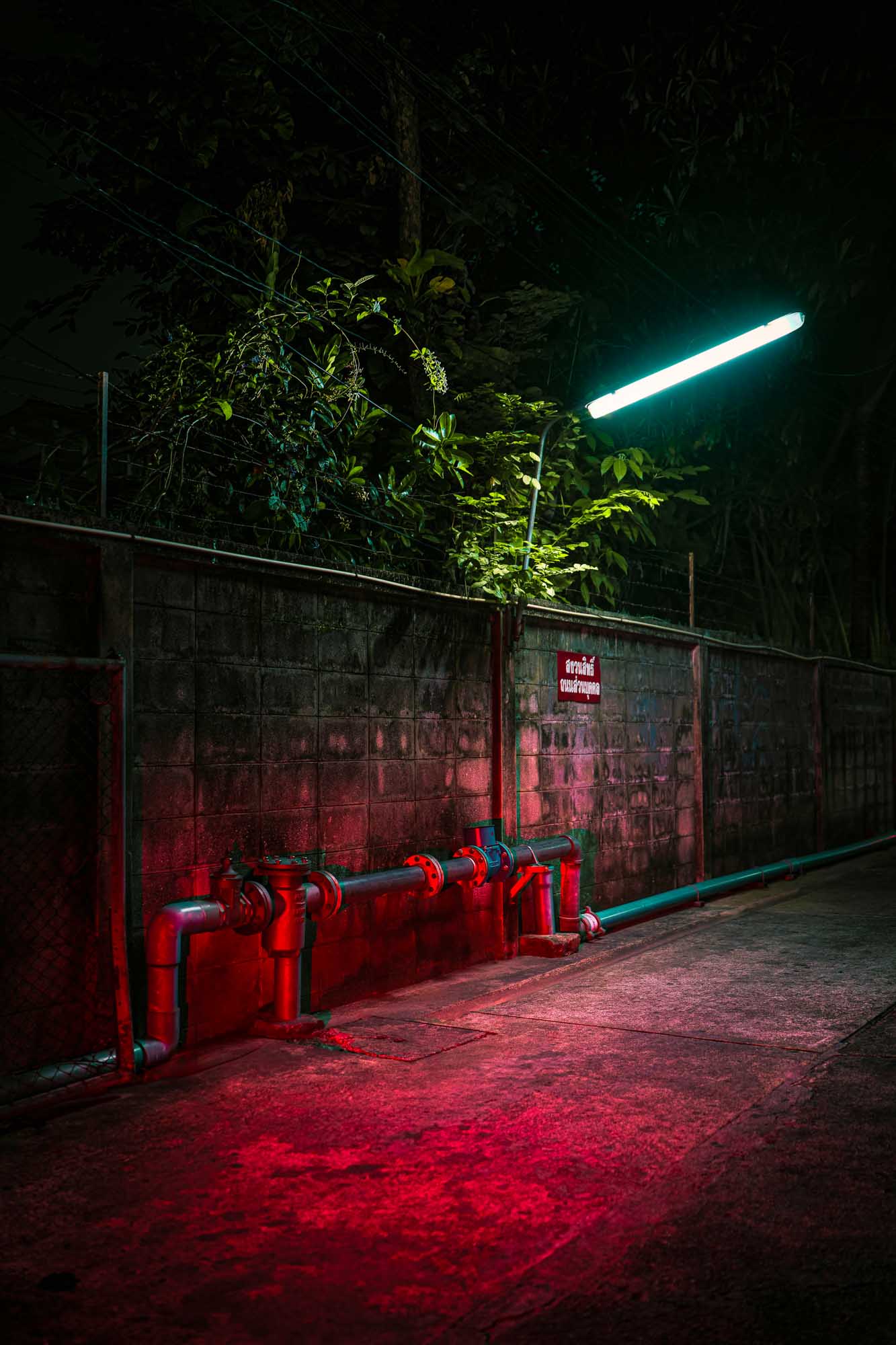
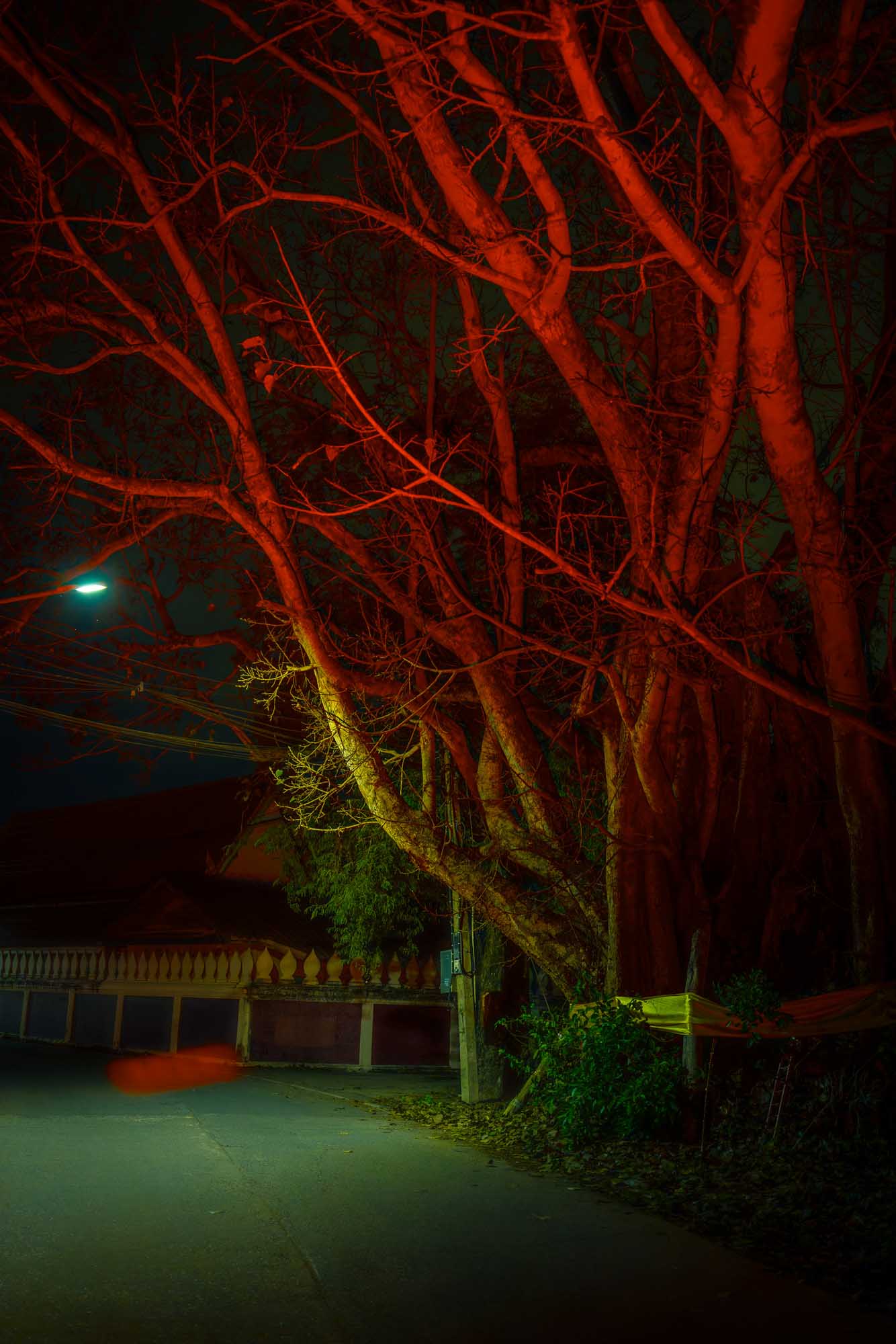
Tripod or handheld, control or mobility, flash or continuous light, technical precision or the share of the unexpected. The workshop is built around these decisions.
It does not try to transmit a single method, but to make choices more lucid, more controlled, and more personal.
Night photography is technically demanding and conceptually distinct. Light sources are mixed and often saturated, sensors are pushed to their limits, and most decisions — tripod or handheld, flash or continuous light, autofocus or manual focus — are trade-offs between incompatible advantages.
There is rarely one correct answer. There is the answer you choose, and the image that results from it.
The workshop is built on this observation: there is no perfect shooting moment. Conditions are always partial. Light changes, subjects move, equipment fails. The work consists in composing with what is given, and producing images that hold emotionally, even when they do not hold perfectly technically.
Night is not simply day without the sun. It has its own grammar. Sodium and neon write differently from daylight, the absence of crowds frees the frame, and artificial light behaves like a stage device. Eight days are enough to begin reading that grammar. Not to master it. That is honest, and it is the right scale for this work.
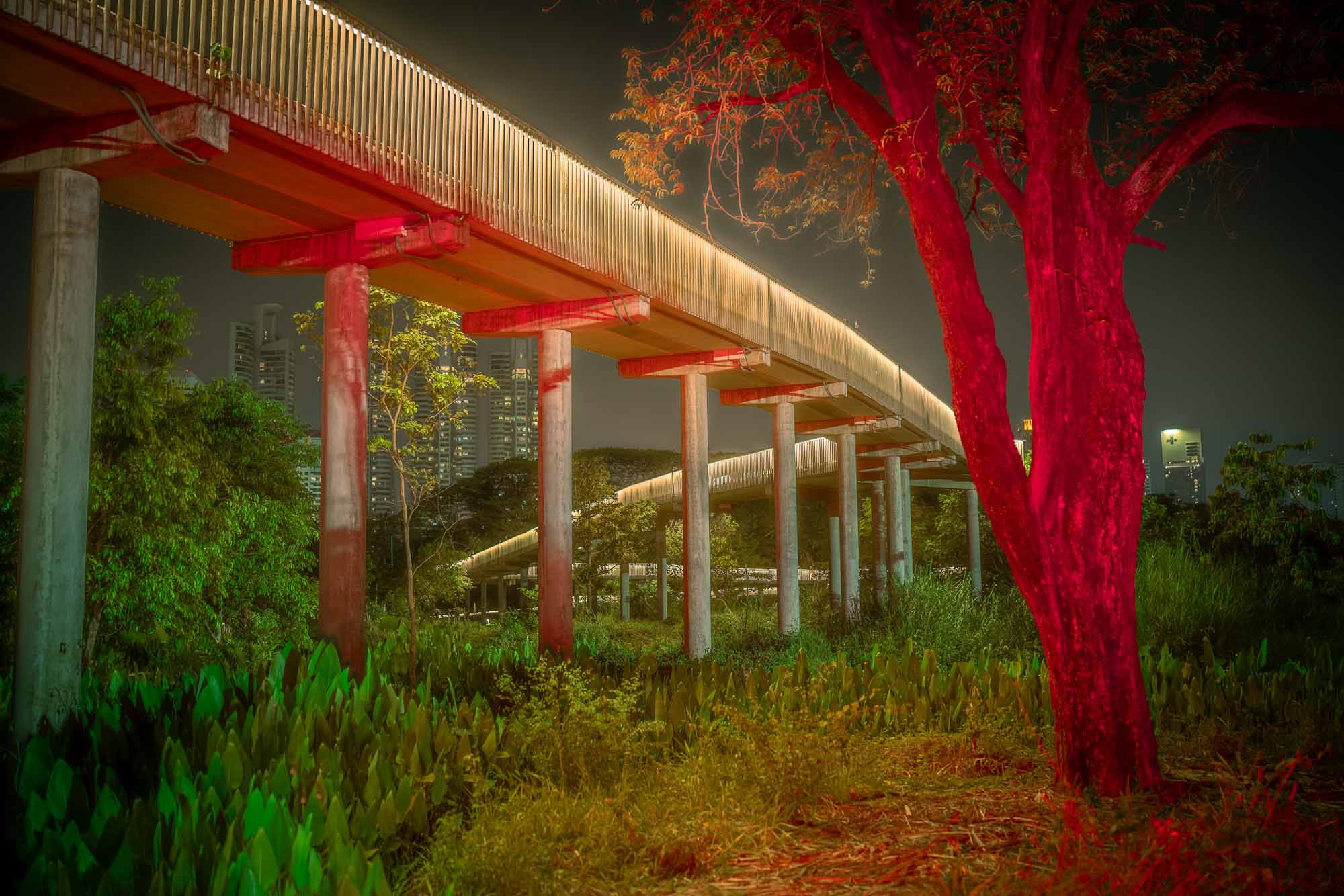
Free mornings, indoor sessions in the afternoon, shooting in the evening and at night. Two evenings are deliberately lighter to avoid exhaustion.
Density and contrast: the saturation of Shinjuku and Shibuya, but also the almost rural calm of the residential districts that make up most of the city.
A rawer, warmer, more popular quality — and some areas, once emptied late at night, take on a melancholic dimension.
Reduction: wood, stone, lanterns, water, the slower light of Pontochō, deserted alleys, the countryside touching the city.
Daily structure: free mornings; indoor session from 2 p.m. to 5 or 6 p.m.; field shooting from 6 p.m. to 11 p.m., with a dinner break between 8 and 9 p.m. Five main night outings, one optional dawn session, and a daylight flash session on the final day.
Two of the eight evenings are deliberately lighter — not days off, but evenings when the rhythm loosens. Night photography is physically and mentally demanding. The structure protects the work from exhaustion without breaking the rhythm of the week.
A detailed day-by-day programme, with districts, technical objectives and meeting points, is sent after booking.
Open to motivated amateurs as well as more experienced photographers. The workshop is not reserved for advanced photographers, but some of the topics covered are technical. Participants who feel fragile on the basics are strongly encouraged to join Day Zero.
A €500 contractual deposit confirms the booking. The remaining balance is due no later than 45 calendar days before the workshop start date. Any booking made less than 45 days before the workshop requires full payment at the time of booking.
The workshop is confirmed once four participants have booked. If this minimum is not reached, or if the organiser cancels the workshop before it begins, all sums paid by the participant will be either fully refunded or transferred to a future edition, at the participant’s choice.
If the participant cancels: up to 90 calendar days before the workshop, the €500 deposit is refunded in full; from 89 to 46 days before the workshop, the deposit is non-refundable but may be transferred once to a later edition within 12 months; from 45 to 21 days before the workshop, 50% of the total workshop price remains due; from 20 to 8 days before the workshop, 75% remains due; 7 days or less before the workshop, in case of no-show, or in case of early departure during the workshop, 100% remains due.
Flights, accommodation, meals, insurance, visas, local transport, personal equipment and other third-party expenses are not refundable by the organiser. Participants are strongly advised to take out travel and cancellation insurance.
A mirrorless or DSLR camera allowing manual mode and RAW capture, a lens suited to low light, several batteries, memory cards, and a laptop. Lightroom Classic and DxO PureRAW are recommended for practising during the post-production sessions, but they are not mandatory to book — participants without Lightroom can observe, take notes and apply the workflow later. An off-camera flash is strongly recommended but not mandatory; a progressive list of possible setups is sent after booking. A phone with data in Japan is strongly recommended; eSIM recommendations are sent after booking.
You receive a preparation PDF guide, the detailed recommended equipment list, travel recommendations (accommodation, transport, eSIM) and a short useful bibliography. A collective preparation video call is organised around three weeks before departure: it brings participants together, allows us to check equipment, and begins the work as a group. A communication group remains active during and after the workshop.
The workshop ends with a public exhibition in Kyoto. Each participant presents a printed selection of their images. Seeing your work hung, off-screen, in front of real eyes, is an integral part of the workshop.
Each participant prints a sequence of eight to twelve images and hangs them in a venue secured for the evening — a bar, a private space, a partner location — open to personal guests and passing visitors. Prints may be offered for sale at a symbolic price.
This closing event is not an added celebration. It is the logical end of the workshop. A photograph that only exists on a screen, swept away by a finger, has not yet had to defend itself. The print exposes the work. Hanging it in a room you did not choose, before eyes that owe nothing to the image, completes the practice.
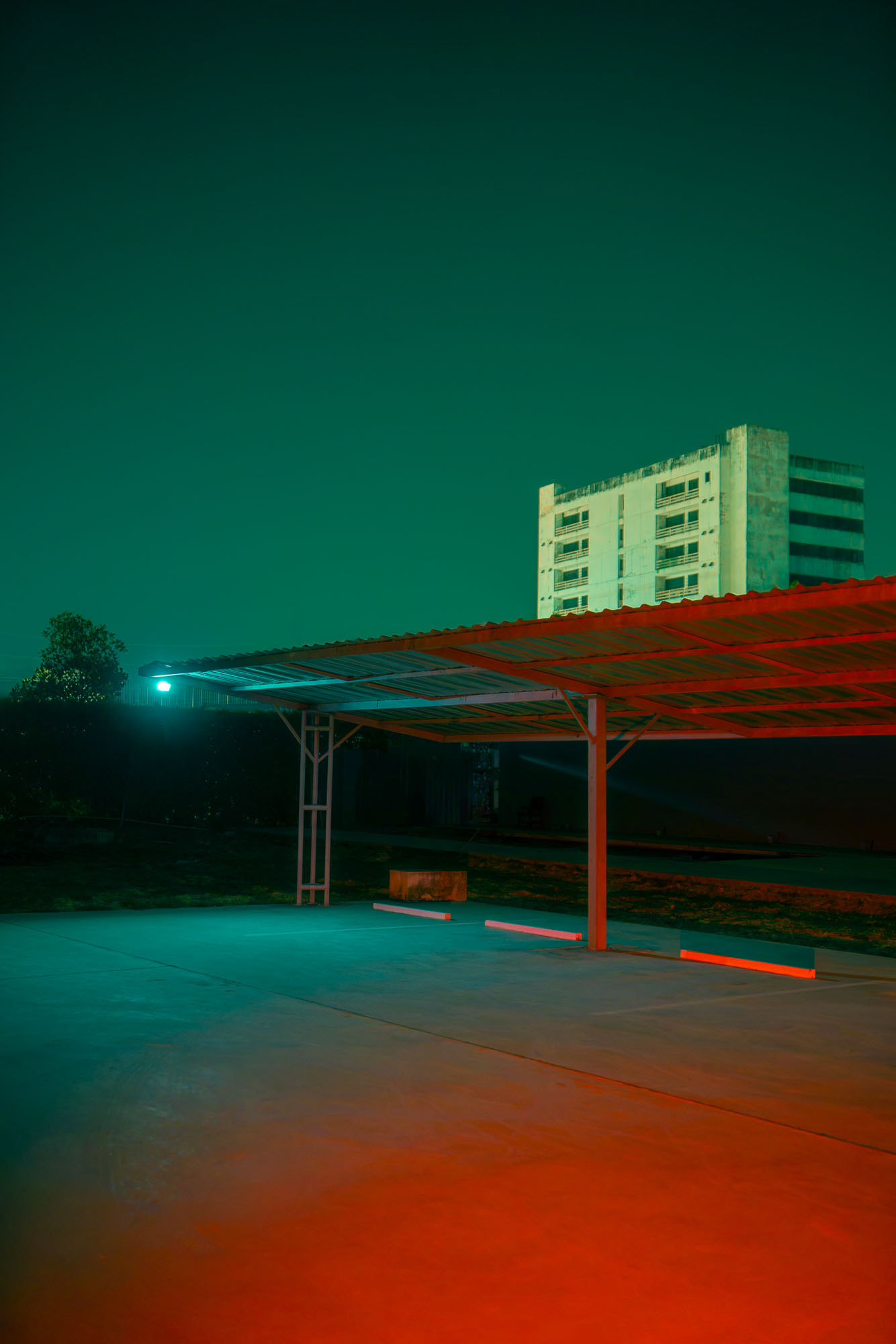
We will go to certain well-known places because they are unavoidable. But we will approach them at hours when they change nature, and connect them to quieter, more discreet areas, sometimes almost empty.
This is not a route of photo spots to tick off. It is a way of learning how to look.
These are intensely photographed cities, but almost always in the same places, at the same hours, and in the same state of attention. This workshop is based on the idea that there is another way to experience them over eight days.
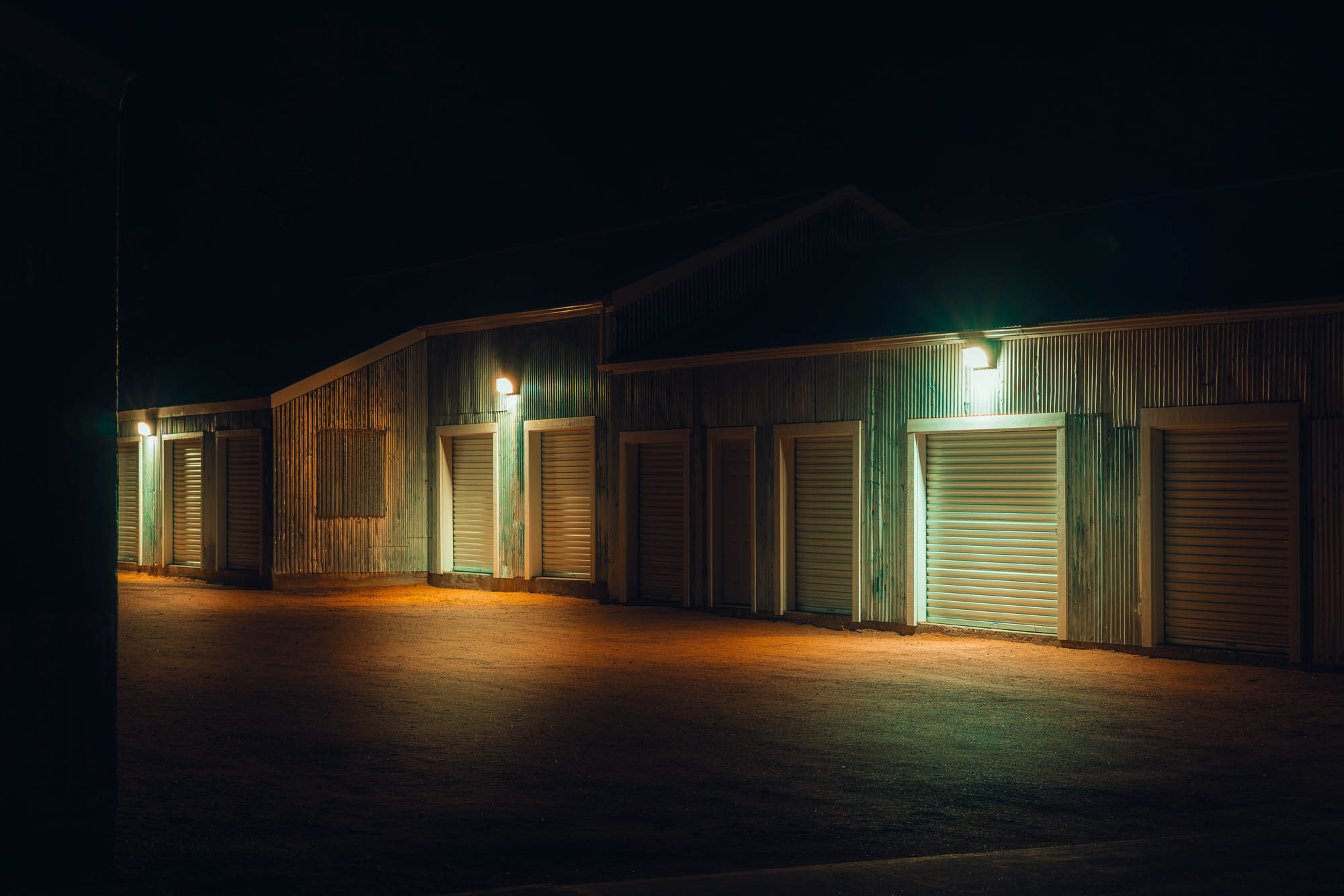
We will go to some known places — Shinjuku, Kabukichō, Dotonbori, Pontochō. But we will go there at hours when they shift, and we will connect them to more discreet districts, sometimes almost empty, where you can clearly hear a passer-by’s footsteps from several dozen metres away; to port and semi-industrial zones with imposing architecture; to Kyoto alleys where the lanterns stay lit long after the visitors have left.
In Tokyo, what is striking is not only the density, but the contrast between the madness of certain districts and the immense calm of the rest of the city. In Osaka, some areas emptied after 11 p.m. take on a rawer, warmer, more melancholic, almost ghostly quality. In Kyoto, the city touches the countryside: the forest is never far away, and once the crowds have gone, certain places fall into an almost unreal strangeness.
The rhythm of the workshop is designed for this crossing. The outings combine precise meeting points and more open moments. Each participant can stay with me, move slightly ahead, step away for fifteen or twenty minutes to work on a scene alone, then return. A communication group remains active at all times. The walking is slow. Breaks in small restaurants chosen for their atmosphere — not for their reputation — are part of the work as much as the indoor sessions.
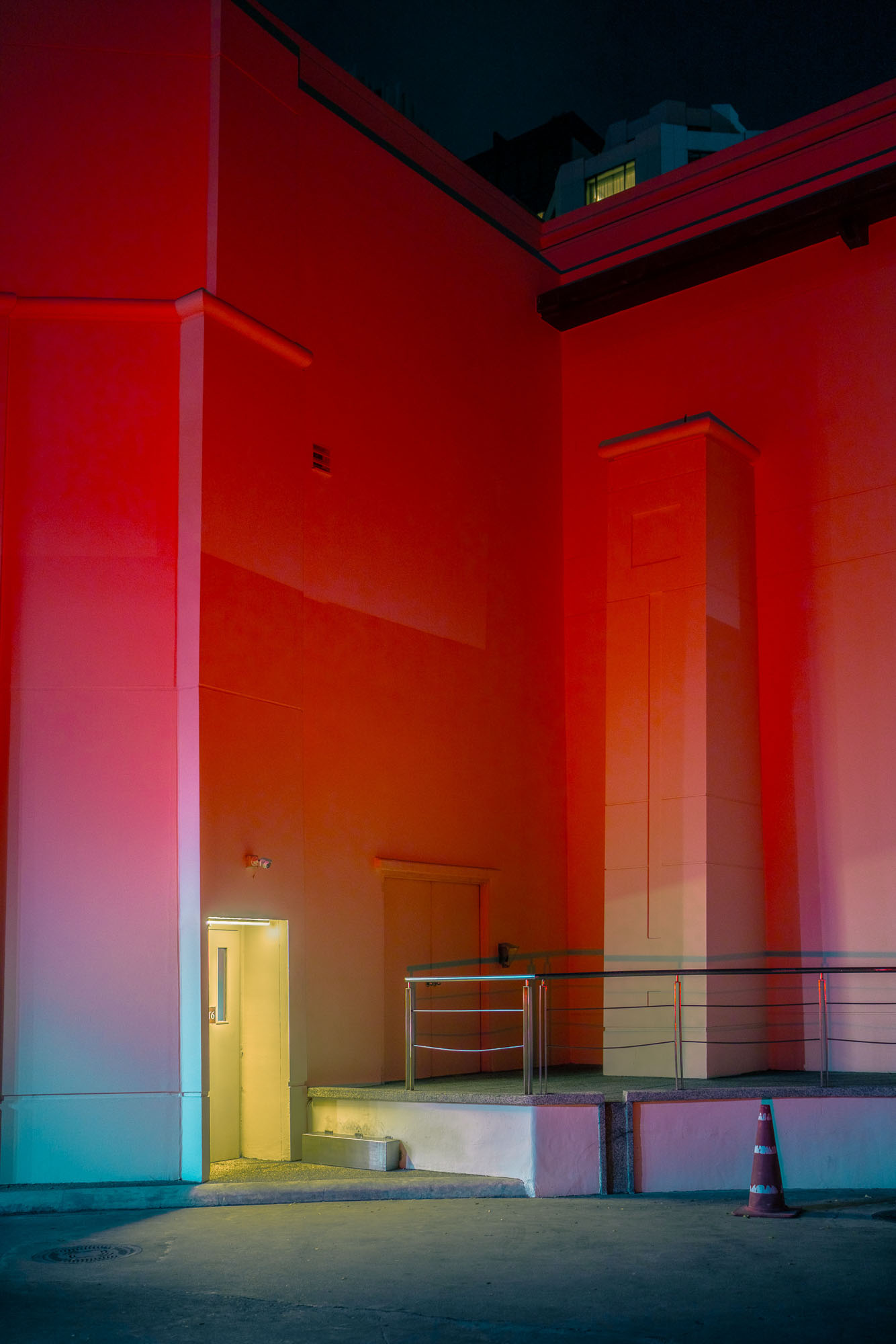
Very often, the strongest images do not come from the place you came to photograph, but from the moment when something suddenly catches the eye: an isolated light, a silence, a sign, a street corner, a detail that is almost nothing — but right.
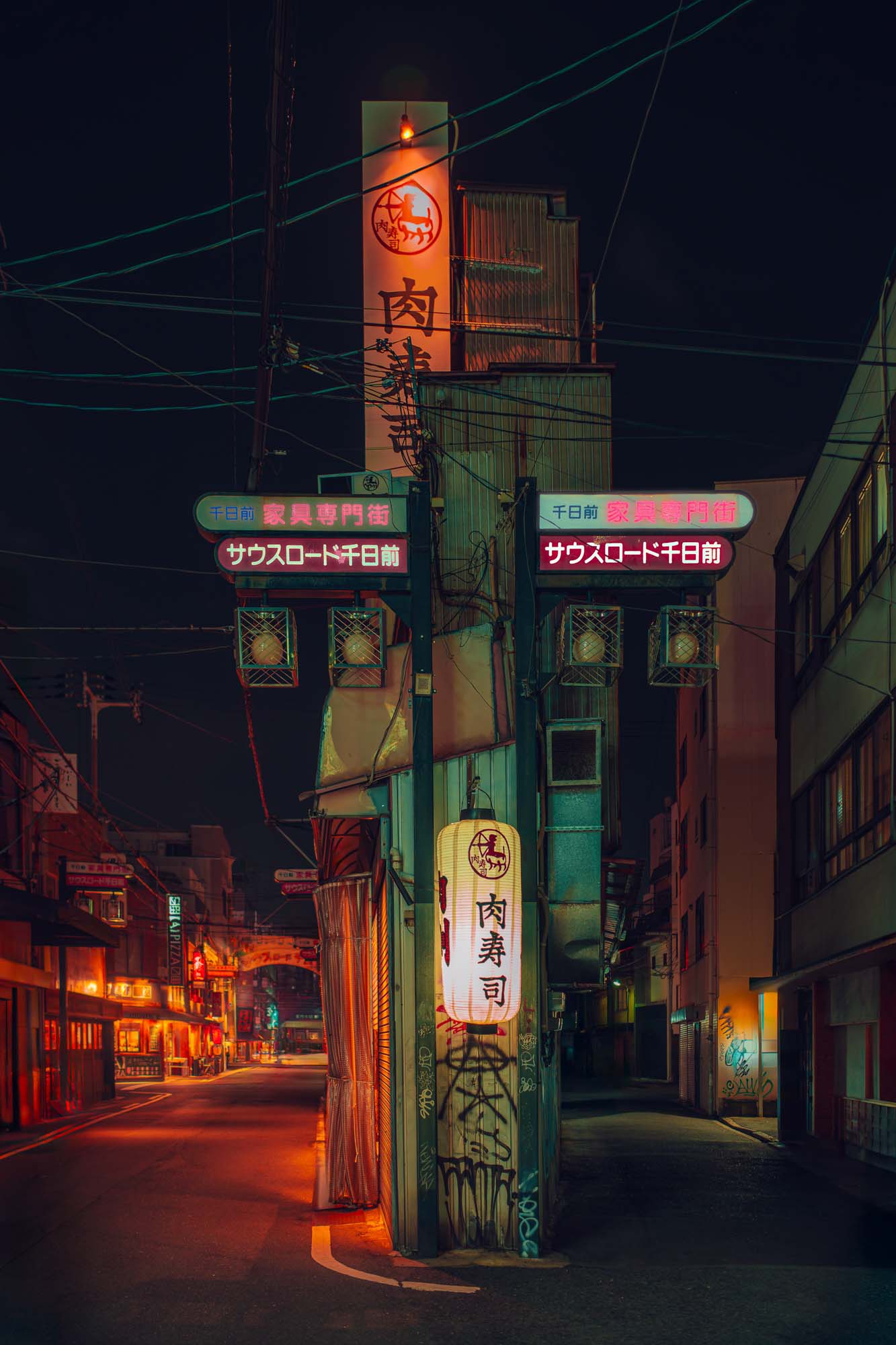
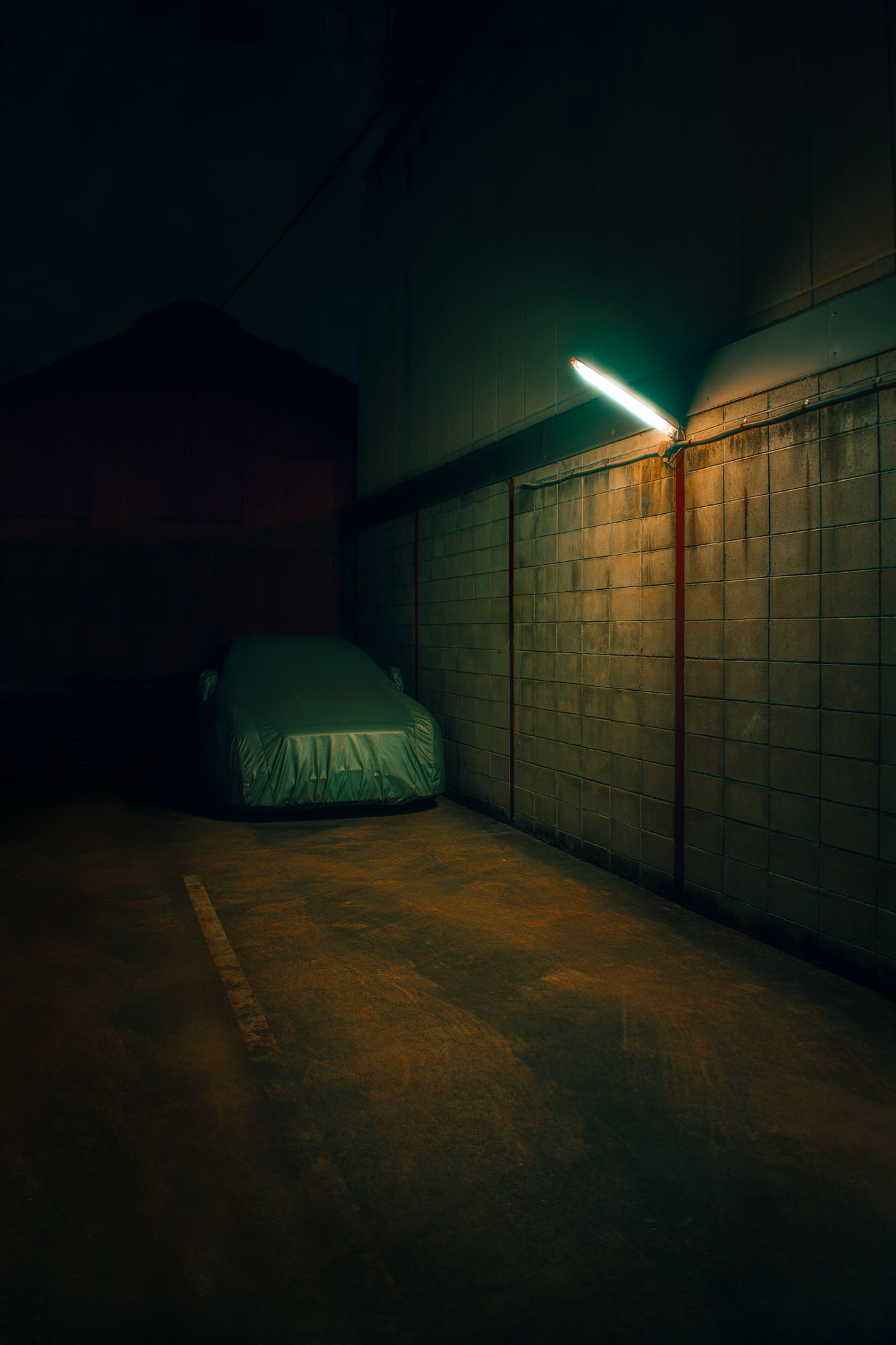
French photographer and filmmaker. His night work has been published, awarded and exhibited internationally, and directly informs this workshop.
What is taught here is what is actually practised in the field.
Etienne PERRONE works between Marseille, Paris and East and Southeast Asia. He came to photography through cinema, where he worked for many years as a director — and the images retain that lineage: framing as decision, light as instrument, the image understood as a fragment of a larger sequence rather than an isolated moment.
His work has been published in The Guardian, selected as a Juror’s Pick at LensCulture (2025) and an Editor’s Pick at Life Framer, and acquired by Kevin Barry Art Advisory in Los Angeles for a hotel installation of 250 photographs. His work has been shown in Sharjah, Beijing and Shenzhen, and selected for “Camera Work: Shadow and Light” at Black Box Gallery in Portland (June 1–25, 2026), as well as “Urban Exhibition” at The Glasgow Gallery of Photography CIC (September 4–30, 2026). His monograph Volume 45 was published in the Mini Monographs series by Subjectively Objective.
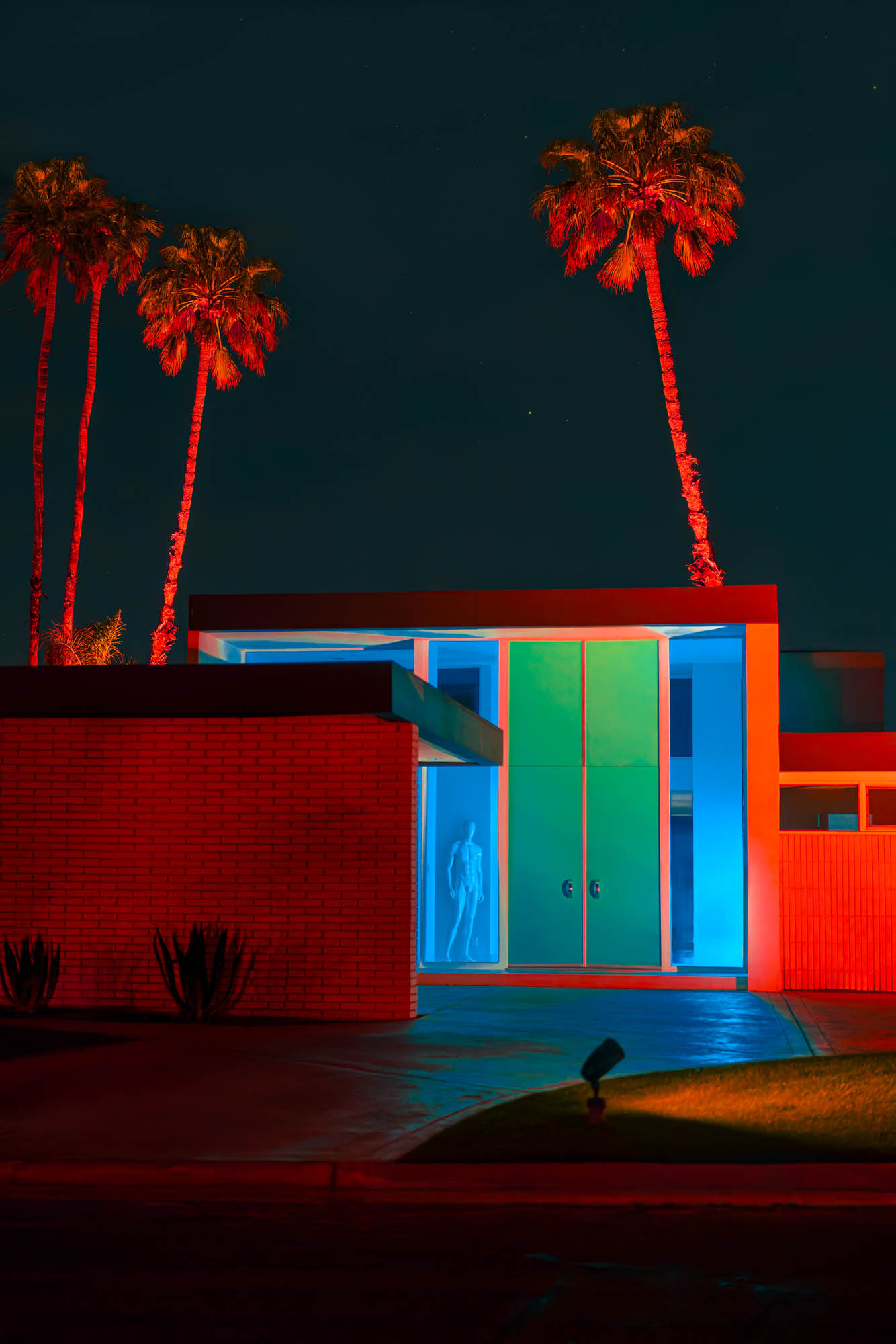
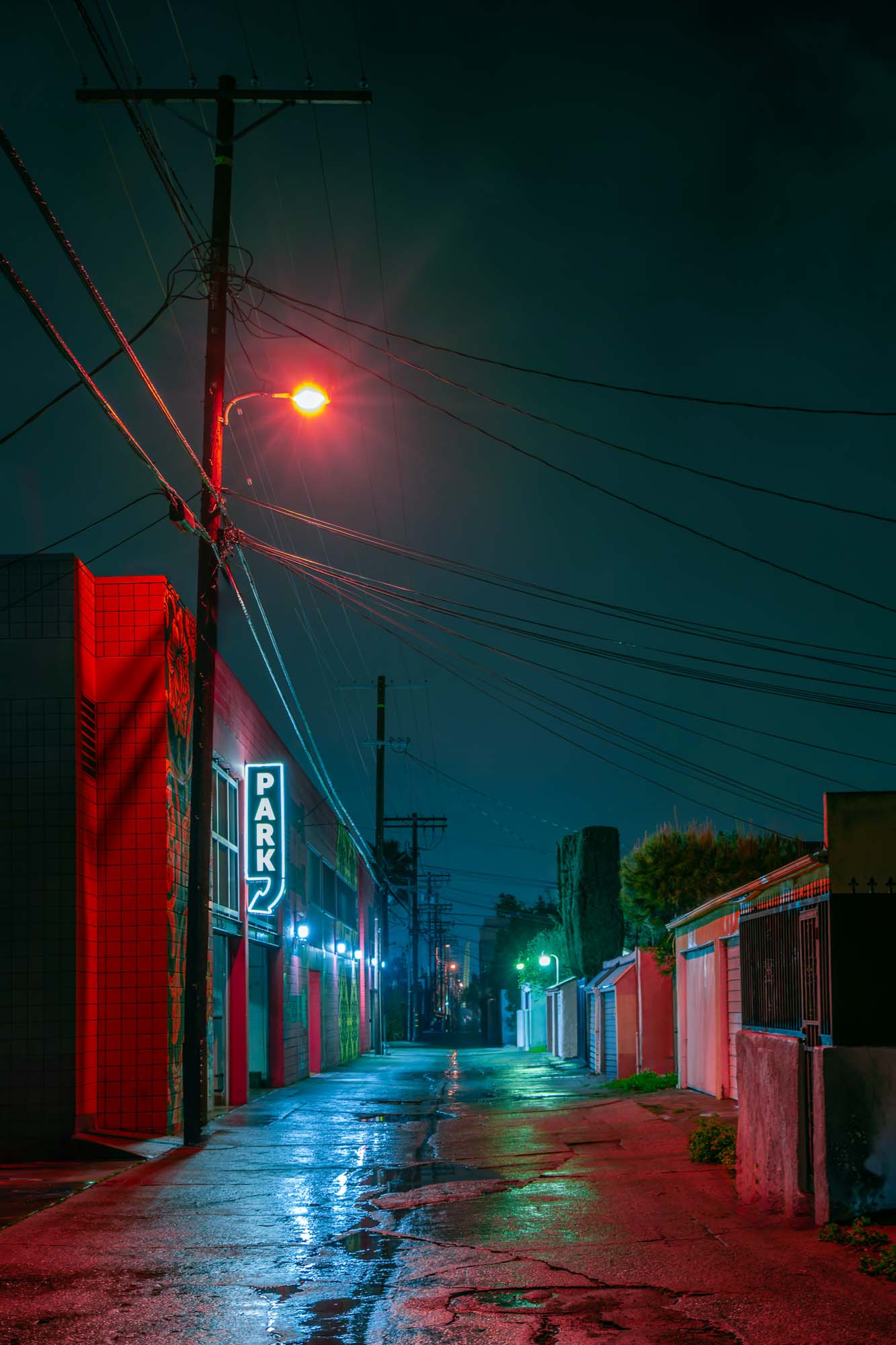
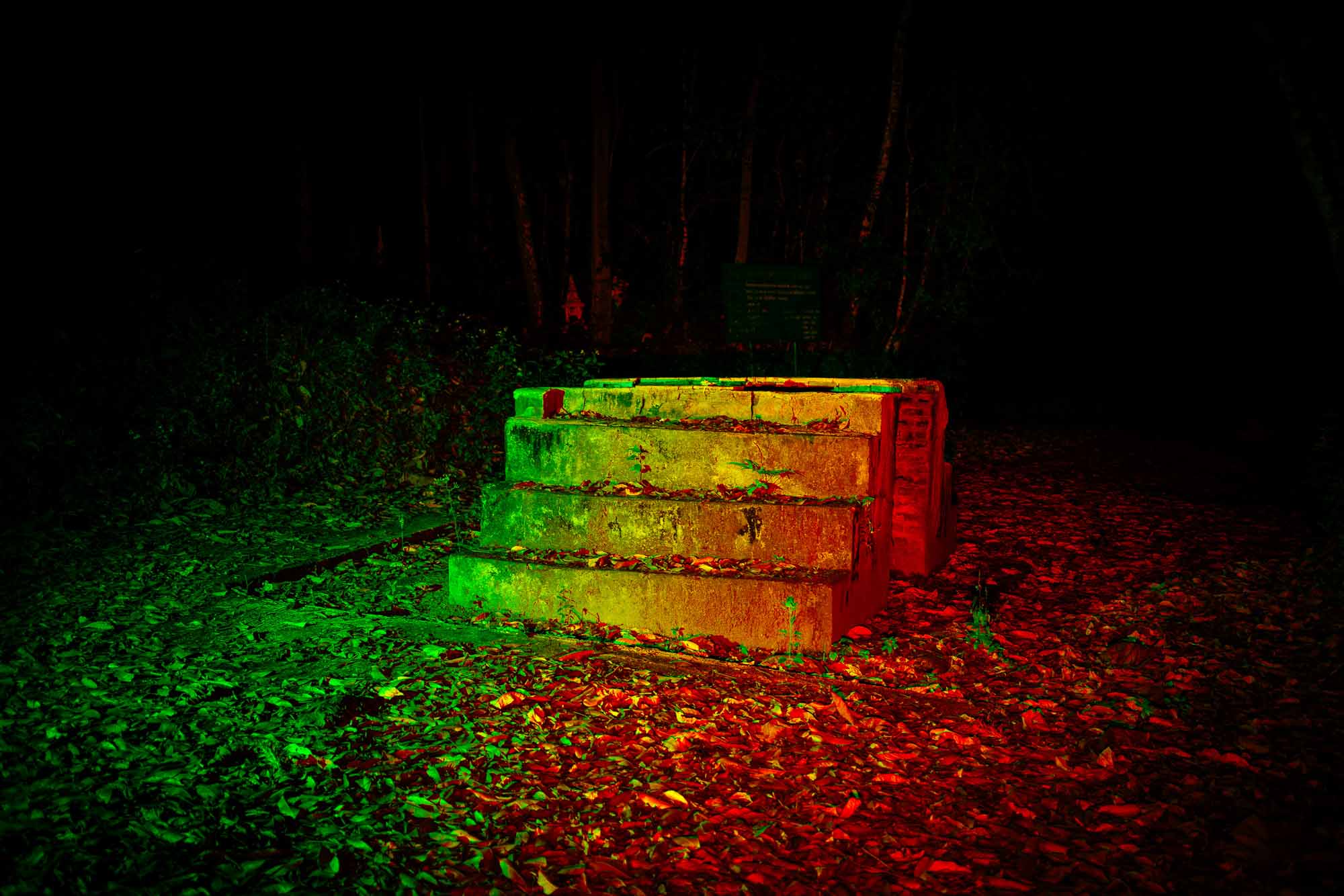
The series that informs this workshop — Dreams Happen After Dark — is made with coloured flash in-camera, in cities across Asia and the United States. The technique is not a post-production effect. The light enters at the moment of exposure. What is taught here is what is practised there.
The workshop is open to motivated amateurs as well as more experienced photographers. Some topics are technical, but the workshop is not reserved for advanced photographers. Day Zero is there for those who want to consolidate the basics.
No. Prior experience is a plus, but it is not required. Curiosity and rigour matter more than the number of hours already spent in the dark.
Strongly recommended, but not mandatory to book. If you do not own one, I can guide you towards a suitable setup or a temporary solution.
Yes, if you want to get the most out of the post-production sessions. Participants without one can follow the demonstrations and apply the workflow later.
We walk a lot, but not as a sporting activity. The outings last several hours, at a slow pace, with built-in pauses and time to stop and work.
Rain is rarely a problem in night photography — reflections, wet neon and shining streets are among the best conditions. In heavy rain, the programme adapts, and the indoor sessions offer an alternative.
Yes. The duo rate is designed for this: 15% off each registration.
Yes. If you are already decided, you can book directly. If you prefer to talk first, a fifteen-minute video call is available before booking.
You can book directly if you are already decided.
And if you have questions — about level, equipment, pace, logistics, or simply whether the workshop feels right for you — you can contact me directly before booking.
You can book directly if you are already decided.
And if you have questions — about level, equipment, pace, logistics, travel, or simply whether the workshop feels right for you — you can contact me directly before booking.
It is not an interview or a sales call. It is simply a moment to answer your questions, clear up any doubts, and help you decide in the right conditions — by email, phone, WhatsApp or video, whichever feels easiest for you.